Introduction
Your car’s coolant system plays a vital role in keeping the engine running efficiently. Coolant—or antifreeze—is not just a liquid that prevents freezing; it regulates engine temperature, protects against corrosion, and ensures vital components like the radiator and water pump operate smoothly.
Despite its importance, many car owners neglect regular coolant checks. Low or contaminated coolant can silently damage your engine, causing overheating, leaks, or even long-term mechanical failure. This is especially critical for vehicles operating in varying Australian climates, from scorching summer heat to cooler winter mornings.
Routine DIY checks of coolant levels are simple, safe, and cost-effective. They help detect early issues like leaks, low fluid, or contamination, saving you from expensive repairs. In this guide, we’ll show you step-by-step how to inspect coolant levels, highlight safety precautions, and outline when professional assistance might be required.
For comprehensive information on choosing the best coolant for your car, see our detailed pillar guide What Coolant for My Car. By maintaining the right coolant level, you’re investing in your car’s longevity, reliability, and engine performance.
What is Coolant and Its Function in Your Engine
Coolant is a specialized fluid designed to maintain engine temperature within a safe range. While it is often called antifreeze, coolant serves multiple functions beyond preventing freezing:
- Temperature regulation: Transfers heat away from the engine to prevent overheating.
- Corrosion protection: Additives prevent rust and scale buildup in the radiator and hoses.
- Lubrication: Helps lubricate water pumps and seals.
Using water alone is insufficient. Pure water boils at lower temperatures and freezes in cold conditions, which can damage engine components. Modern coolant blends include ethylene glycol or propylene glycol, plus corrosion inhibitors and anti-foam agents for enhanced protection.
Understanding Coolant Composition
Coolant, also known as antifreeze, is a specially formulated fluid designed to regulate engine temperature and protect internal components from wear. A standard glycol-based coolant mixture combines distilled water, glycol compounds, and protective additives.
- Distilled water is the base, responsible for transferring heat away from the engine efficiently. Unlike tap water, it does not contain minerals that could cause scaling or corrosion inside the radiator.
- Glycol compounds—commonly ethylene glycol or propylene glycol—lower the freezing point of the coolant and raise its boiling point. This ensures the engine runs smoothly in both extremely hot and cold conditions.
- Additives include anti-rust, anti-foam, and lubricating agents that protect metal components, water pumps, and seals. These chemicals also minimize oxidation and extend overall engine longevity.
Mixing incompatible car fluid types can create sludge, which clogs the radiator and reduces cooling efficiency. To avoid costly repairs, stick with the chemical composition recommended in your vehicle’s owner’s manual. Choosing the right coolant helps maintain performance while reducing long-term engine wear.
Types of Coolant
Understanding engine coolant types is crucial for choosing the right fluid for your vehicle:
- IAT (Inorganic Additive Technology): Traditionally used in older vehicles, IAT coolant is usually green in color. It provides solid protection but requires replacement every 2 years or 30,000 miles.
- OAT (Organic Acid Technology): Common in modern cars, OAT coolant is typically orange or red. It lasts longer—up to 5 years or 100,000 miles—offering extended protection against corrosion.
- HOAT (Hybrid Organic Acid Technology): A blend of IAT and OAT, HOAT coolant provides the best of both worlds. Usually yellow or turquoise, it offers long-lasting corrosion resistance and compatibility with many vehicle models.
- Regional Variations: Some coolants, like phosphated or silicated formulas, are designed based on manufacturer or geographic requirements.
A coolant color guide helps differentiate types, but color alone should never be the deciding factor. Always confirm with your owner’s manual or OEM recommendations.
To simplify comparisons, think of coolant in terms of lifespan and compatibility: IAT = short life/older cars, OAT = long life/newer cars, HOAT = balanced for diverse needs. Using the right radiator fluid prevents rust, scale, and overheating—ensuring your car stays road-ready.
How to Identify the Right Coolant for Your Vehicle
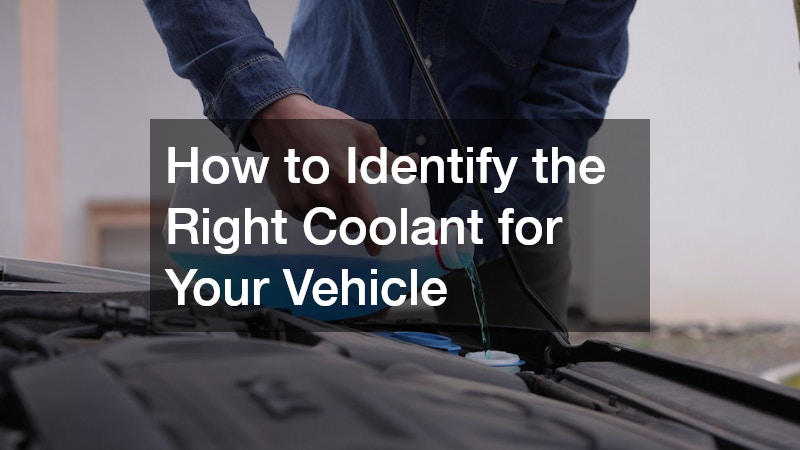
Choosing the correct coolant for your vehicle is crucial for maintaining engine health and avoiding unnecessary repairs. Not all coolants are the same, and using the wrong one can cause corrosion, poor heat transfer, or sludge buildup.
The first and most reliable step is to consult your owner’s manual. Manufacturers specify the type, formula, and coolant color that best suits your car. This ensures compatibility with your engine’s metals, seals, and gaskets.
If you’ve misplaced the manual, another reliable method is using VIN-based online lookup tools. By entering your car’s Vehicle Identification Number, you can instantly retrieve the OEM coolant recommendation.
While “universal coolants” are marketed as suitable for most cars, they are not always the safest choice. Unless your manufacturer explicitly permits them, it’s best to stick with OEM-recommended coolant or a trusted aftermarket brand that meets the exact same standards.
When in doubt, seek advice from your mechanic or dealer. Choosing the best coolant for cars isn’t about price or color—it’s about compatibility, engine longevity, and avoiding costly mistakes.
Coolant Mixing: What You Need to Know
Many car owners mistakenly believe all coolants are interchangeable. In reality, mixing coolant types—for example, conventional green with long-life orange or pink—can trigger chemical reactions that result in sludge, reduced cooling efficiency, and clogged radiators.
The safest practice is always to top up with the same type and brand of coolant your car already uses. If you’re unsure, it’s better to flush the system and refill it with the correct coolant rather than risk damaging your engine.
In emergencies where coolant levels are dangerously low, you can add distilled water temporarily. However, this should only be a short-term fix, as diluted coolant loses its antifreeze protection and corrosion resistance.
When performing a coolant refill or flush, remember that coolant safety is critical. Always wear gloves, work in a ventilated area, and dispose of old coolant properly—it’s toxic to both humans and pets.
By following these simple guidelines, you can avoid one of the most common car care mistakes and ensure your cooling system runs smoothly.
Coolant Lifespan & Replacement Intervals
Coolant doesn’t last forever. Over time, it loses its protective additives and becomes contaminated with rust, scale, and debris. Following a proper coolant maintenance schedule can prevent overheating, corrosion, and water pump failure.
- Traditional coolant (inorganic additive technology, usually green) typically requires replacement every 2 years or 30,000 miles.
- Long-life coolant (OAT or HOAT formulations, often orange, red, or pink) can last up to 5 years or 100,000 miles before a flush is necessary.
Regardless of type, you should also look for warning signs of aged coolant, such as:
- Discolored or rust-colored fluid
- Floating debris or sludge
- Persistent overheating or rising dashboard temperature readings
Regularly checking your coolant reservoir ensures you don’t miss these early indicators. A professional radiator maintenance inspection every service interval can further extend your engine’s longevity.
Neglecting coolant replacement can cause severe engine damage, including blown head gaskets or seized water pumps—repairs that cost far more than routine coolant care.
By following manufacturer guidelines, using the recommended coolant, and never skipping scheduled flushes, you’ll ensure your vehicle’s cooling system runs efficiently for years.
How to Check Coolant Level: Easy DIY Guide
Maintaining the correct coolant level is essential for preventing engine overheating and ensuring your car’s cooling system functions efficiently. Checking the coolant is a simple process that every car owner can do at home.
Step 1: Ensure the Engine Is Cold
Never open the coolant reservoir when the engine is hot. Hot coolant can spray out under pressure and cause serious burns. Allow the car to cool for at least 30–60 minutes before inspecting the coolant level.
Step 2: Locate the Coolant Reservoir
Open the hood and find the coolant reservoir, usually a translucent plastic tank near the radiator. This tank often has a colored cap and is clearly labeled.
Step 3: Check the Level Against MIN/MAX Markings
Most reservoirs have “MIN” and “MAX” indicators. Ensure the coolant is within this range. If it’s below the minimum mark, your engine could overheat or suffer damage.
Step 4: Top Up With the Recommended Coolant
If the level is low, add the coolant type specified in your owner’s manual or recommended in our What Coolant for My Car pillar guide. Avoid mixing different coolant types unless they are compatible. Fill slowly and avoid overfilling above the maximum mark.
Additional Tips
- Use a clean funnel to prevent contamination.
- Regularly inspect hoses and clamps for leaks while checking the coolant.
- Note any sudden drops in coolant level as this may indicate a leak requiring professional attention.
Signs Your Coolant Needs Changing
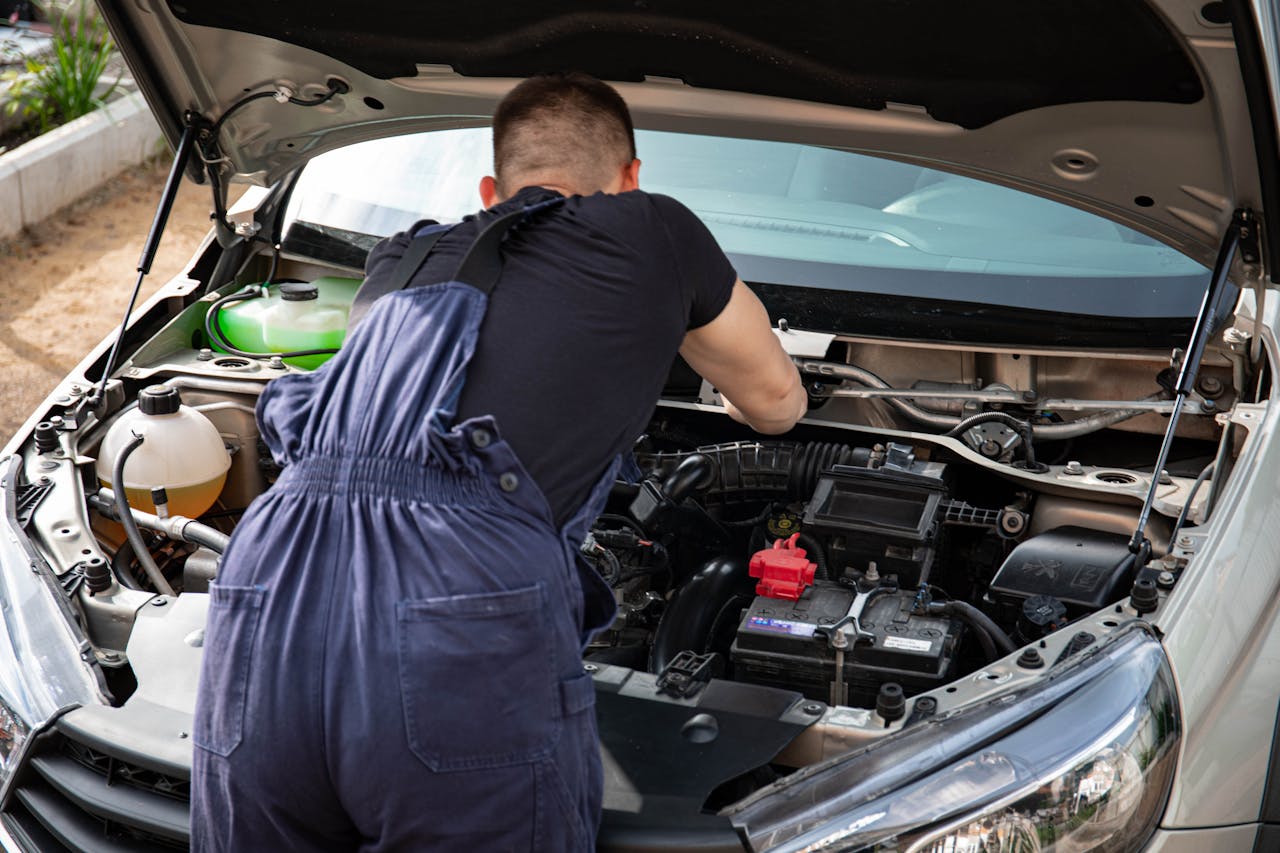
Maintaining the right coolant level and quality is essential for your car’s engine health. Over time, coolant degrades, loses its protective properties, and can lead to serious issues if not replaced promptly. Here are the key signs that your coolant needs changing:
- Overheating Engine
A rising engine temperature is often the first indication of degraded or insufficient coolant. Modern cars have temperature gauges on the dashboard—if it consistently climbs above the normal range, it may indicate the coolant is unable to effectively transfer heat away from the engine. Ignoring this warning can cause serious engine damage. - Rust-Colored or Dirty Fluid
Coolant naturally starts as a bright green, orange, pink, or yellow liquid depending on its type. Over time, oxidation, contamination, and chemical breakdown can cause it to turn rusty, brown, or murky. Rust or sediment in the coolant indicates corrosion inside the cooling system and signals that a flush and replacement are necessary. - Sweet Smell or Visible Leaks
Coolant has a distinct sweet smell due to glycol compounds. If you notice this smell around your engine bay or puddles underneath your car, it could indicate leaks. Even small leaks reduce the efficiency of the cooling system and increase the risk of overheating. - Heater Malfunction
A failing or inconsistent cabin heater can be a symptom of low or deteriorated coolant. Since the heater uses hot coolant to warm the cabin, problems in the system often reflect coolant issues. - Dashboard Coolant Warning Light
Most modern vehicles have a dedicated coolant or temperature warning light. When this illuminates, it is a clear indicator that the coolant level is low or its quality has deteriorated. Do not ignore this light; check the reservoir immediately and top up or replace as needed.
Monitoring these signs regularly ensures your cooling system functions efficiently, prevents engine damage, and maintains car reliability.
Step-by-Step Coolant Replacement (DIY)
Performing a coolant replacement at home can help maintain your car’s engine health and prevent overheating, but it’s essential to follow the proper steps and safety precautions. Here’s a step-by-step guide for Australian car owners:
Tools and Materials Needed
- Protective gear: Gloves and safety goggles to avoid skin or eye contact.
- Drain pan: To catch old coolant and avoid spills.
- Funnel: For a clean refill.
- Coolant: Use the type recommended for your vehicle (see What Coolant for My Car for guidance).
- Optional: Distilled water if diluting concentrated coolant, rags for cleaning.
Step 1 – Draining Old Coolant
- Ensure the engine is cool before starting to prevent burns.
- Open the hood and locate the coolant reservoir and radiator drain plug.
- Place the drain pan under the radiator, then remove the plug and let the old coolant drain completely.
- Dispose of the old fluid safely; coolant is toxic to humans, pets, and the environment.
Step 2 – Flushing the System
- Reinstall the drain plug and fill the radiator with distilled water.
- Run the engine for a few minutes with the heater on full to circulate water through the system.
- Drain the water completely. Repeat if necessary to remove all old coolant residue.
Step 3 – Refilling with Fresh Coolant
- Mix coolant with distilled water if required (usually 50:50).
- Using a funnel, slowly pour coolant into the reservoir until it reaches the recommended level.
- Check the radiator if applicable.
Step 4 – Bleeding Air Pockets
- Start the engine and let it idle with the heater on full.
- Watch the temperature gauge and occasionally squeeze the upper radiator hose to help release trapped air.
- Top up the coolant as needed until the system is fully filled and the engine temperature is stable.
Safety Precautions
- Avoid contact with skin or eyes.
- Keep pets and children away from the workspace.
- Never mix different types of coolant unless specified safe by the manufacturer.
Following these steps ensures your cooling system runs efficiently and prolongs engine life.
Common Coolant Mistakes
Maintaining your car’s coolant properly is essential for engine health, yet many drivers make avoidable mistakes that can lead to overheating, corrosion, or costly repairs. Here are the most common coolant errors to watch out for:
Using Tap Water Instead of Distilled
Some drivers top up their coolant with tap water to save money, but tap water contains minerals that can cause scale build-up and corrosion inside the cooling system. Always use distilled water when mixing with concentrated coolant to ensure optimal engine protection.
Overfilling the Reservoir
Overfilling can increase pressure in the cooling system, potentially causing leaks, cracked hoses, or damage to the radiator cap. Always fill only up to the “MAX” line on the reservoir and check levels when the engine is cold.
Ignoring Leaks
Coolant leaks are a serious issue. Even small leaks reduce cooling efficiency and can lead to engine overheating. Check under the car regularly for puddles or stains and investigate immediately if your coolant levels drop frequently.
Assuming Color Equals Type
Many assume green coolant is the same as green coolant in other vehicles—but this is not always true. Different coolant types (IAT, OAT, HOAT) have unique chemical additives. Mixing incompatible types can cause sludge formation, corrosion, or reduced performance.
Skipping Regular Flushes
Coolant degrades over time, losing its anti-corrosion and anti-freeze properties. Failing to flush and replace it at recommended intervals allows deposits to form, reducing efficiency and increasing the risk of engine damage.
Pro Tip: Follow your car manufacturer’s schedule, stick to one coolant type, and inspect levels monthly to avoid common pitfalls.
Preventive Maintenance Tips for Your Car’s Coolant System
Regular maintenance of your vehicle’s coolant system is essential for preventing engine overheating, corrosion, and expensive repairs. Following a preventive schedule not only protects your engine but also prolongs the life of other key components like the radiator, water pump, and hoses.
Check Coolant Levels Monthly
Even if your car isn’t showing warning signs, it’s important to check the coolant level at least once a month. Ensure the fluid is between the “MIN” and “MAX” marks on the reservoir and top up with the recommended type if necessary. Always perform checks when the engine is cold to avoid burns or inaccurate readings.
Inspect Hoses, Clamps, and Radiator
Regularly examine coolant hoses for cracks, leaks, or soft spots. Clamps should be tight and corrosion-free. Inspect the radiator for signs of rust, leaks, or blocked fins, as these issues can reduce cooling efficiency and lead to overheating.
Replace Spark Plugs and Inspect Ignition System
A properly functioning ignition system ensures efficient combustion, which prevents excessive engine heat. Replacing spark plugs at recommended intervals and checking ignition coils can indirectly help maintain optimal engine temperatures, complementing the coolant system’s function.
Monitor Dashboard Alerts and Temperature Gauges
Never ignore the coolant warning light or unusual temperature readings. Dashboard alerts provide early indications of potential problems like leaks, low coolant levels, or failing water pumps. Addressing these issues promptly prevents major engine damage.
Additional Tips
Flush the coolant system according to the manufacturer’s schedule to remove deposits and restore anti-corrosion properties. Stick to the same coolant type to avoid chemical reactions, and always use distilled water if diluting concentrated coolant.
FAQs About Car Coolant
- Is coolant the same as antifreeze?
- Can I drive with low coolant?
- What happens if coolant runs out?
- Can coolant go bad in the bottle?
- Ethylene glycol vs propylene glycol.
Conclusion
Monitoring your car’s coolant level is a simple yet essential step to prevent engine overheating, corrosion, and costly repairs. Regular inspections, timely top-ups, and scheduled flushes keep your cooling system functioning efficiently.
For detailed guidance on selecting the correct coolant type, visit our pillar article What Coolant for My Car. Additional references:
- RACQ Engine Maintenance Guide
- YourMechanic Coolant FAQs